
Boswellia: A Comprehensive Overview
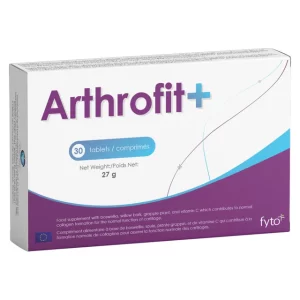
Boswellia, also known as Indian frankincense, is a resin derived from the Boswellia tree species (Boswellia serrata). It has been used for centuries in traditional medicine for its potent anti-inflammatory, antioxidant, and analgesic properties.
1. Active Components of Boswellia
The health benefits of Boswellia primarily come from its bioactive compounds called boswellic acids, including:
- Acetyl-11-keto-β-boswellic acid (AKBA):
- The most potent anti-inflammatory compound in Boswellia.
- β-boswellic acid:
- Supports immune modulation and inflammation reduction.
- Other Terpenoids:
- Contribute to its antioxidant and anti-inflammatory effects.
2. Boswellia’s Role in Inflammation
A. Inhibition of Key Enzymes
- 5-Lipoxygenase (5-LOX):
- Boswellic acids inhibit 5-LOX, an enzyme responsible for producing leukotrienes.
- Leukotrienes are inflammatory mediators involved in conditions like asthma, arthritis, and inflammatory bowel disease (IBD).
- Cyclooxygenase (COX):
- Boswellia mildly inhibits COX enzymes, reducing prostaglandin production, which contributes to inflammation and pain.
B. Downregulation of Pro-Inflammatory Cytokines
- Reduces levels of TNF-α, IL-1β, and IL-6, which are key drivers of chronic inflammation.
C. Stabilization of Mast Cells
- Boswellic acids prevent degranulation of mast cells, reducing the release of histamine and other pro-inflammatory substances.
3. Boswellia’s Role in Oxidative Stress
- Antioxidant Properties:
- Boswellic acids neutralize reactive oxygen species (ROS), preventing oxidative damage to cells and tissues.
- Lipid Peroxidation Prevention:
- Protects cell membranes from oxidative damage by reducing lipid peroxides.
- Mitochondrial Protection:
- Enhances mitochondrial function, reducing ROS production and supporting cellular energy.
4. Boswellia in Neuroendocrine Disorders
A. Modulation of Stress Response
- Boswellia reduces cortisol levels by regulating the hypothalamic-pituitary-adrenal (HPA) axis.
- Its anti-inflammatory effects support stress resilience and reduce chronic stress-induced inflammation.
B. Neuroprotection
- Reduction of Neuroinflammation:
- Boswellia inhibits microglial activation, reducing inflammation in the brain.
- Improved Cognitive Function:
- Supports memory and learning by reducing oxidative stress and inflammation in the hippocampus.
- Mood Regulation:
- May alleviate symptoms of depression and anxiety by modulating neurotransmitters and reducing inflammation.
5. Therapeutic Applications of Boswellia
A. Arthritis
- Rheumatoid Arthritis (RA):
- Reduces joint inflammation by inhibiting leukotriene synthesis.
- Protects cartilage from enzymatic degradation.
- Osteoarthritis (OA):
- Improves joint mobility and reduces pain by targeting inflammatory pathways.
B. Asthma and Respiratory Conditions
- Inhibits leukotriene production, reducing bronchoconstriction and airway inflammation.
- Beneficial in asthma, chronic obstructive pulmonary disease (COPD), and bronchitis.
C. Inflammatory Bowel Disease (IBD)
- Reduces inflammation in the gut lining by inhibiting 5-LOX.
- Effective in managing Crohn’s disease and ulcerative colitis.
D. Neurodegenerative Diseases
- Alzheimer’s Disease:
- Boswellia reduces amyloid-beta plaque formation and associated neuroinflammation.
- Parkinson’s Disease:
- Protects dopaminergic neurons from oxidative damage and inflammation.
E. Skin Disorders
- Reduces inflammation and redness in conditions like eczema, psoriasis, and acne.
6. Mechanisms in the Oxidative Stress-Inflammation Loop
- Breaking the Cycle:
- Boswellia reduces ROS levels, preventing oxidative damage that triggers inflammation.
- Inhibits inflammatory pathways, reducing ROS production by immune cells.
- Mast Cell Stabilization:
- Prevents the release of inflammatory mediators, reducing chronic inflammation.
7. Dosage and Forms
A. Common Dosage
- Standardized extracts containing 30–60% boswellic acids are used.
- Typical doses range from 300–1200 mg/day, divided into 2–3 doses.
B. Forms Available
- Capsules or tablets (standardized extracts).
- Powders and teas.
- Topical applications (creams or gels for joint pain).
8. Safety and Precautions
- Safety:
- Generally safe and well-tolerated.
- May cause mild gastrointestinal symptoms in some individuals (e.g., nausea, diarrhea).
- Precautions:
- Avoid during pregnancy or breastfeeding due to limited safety data.
- Consult a healthcare provider if taking blood thinners or anti-inflammatory medications.
9. Synergy with Other Nutrients
- Boswellia and Turmeric (Curcumin):
- Synergistically enhance anti-inflammatory and antioxidant effects, especially in arthritis and neuroinflammation.
- Boswellia and Omega-3 Fatty Acids:
- Improve joint health and reduce systemic inflammation.
- Boswellia and Probiotics:
- Support gut health and reduce inflammation in IBD.
10. Practical Applications
- For Arthritis:
- Combine Boswellia supplements with physical therapy for improved mobility and reduced pain.
- For Respiratory Health:
- Use alongside inhaled therapies for asthma management.
- For Cognitive Support:
- Pair with lifestyle changes like a Mediterranean diet for neuroprotection.