
The Role of Omega-3 Fatty Acids in Inflammatory Disorders
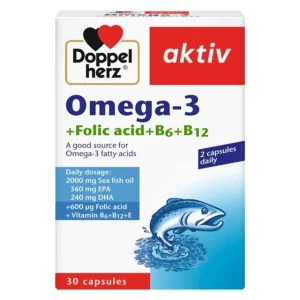
Omega-3 fatty acids are essential polyunsaturated fats that play a critical role in modulating inflammation. They exert powerful anti-inflammatory effects by influencing cell signaling pathways, reducing the production of pro-inflammatory molecules, and promoting the resolution of inflammation. These properties make omega-3s a key therapeutic tool in managing inflammatory disorders.
1. Types of Omega-3 Fatty Acids
- Eicosapentaenoic Acid (EPA):
- Potent anti-inflammatory effects.
- Precursor to specialized pro-resolving mediators (SPMs) like resolvins and protectins.
- Docosahexaenoic Acid (DHA):
- Contributes to anti-inflammatory and neuroprotective functions.
- Alpha-Linolenic Acid (ALA):
- Found in plant-based sources; can be converted to EPA and DHA, though the conversion rate is low.
2. Mechanisms of Action in Inflammation
A. Inhibition of Pro-Inflammatory Molecules
- Reduced Arachidonic Acid Metabolism:
- Omega-3s compete with arachidonic acid (omega-6) for cyclooxygenase (COX) and lipoxygenase (LOX) enzymes.
- This leads to reduced production of pro-inflammatory eicosanoids like prostaglandins and leukotrienes.
- Downregulation of Cytokines:
- Omega-3s inhibit the production of pro-inflammatory cytokines like TNF-α, IL-1β, and IL-6.
B. Production of Anti-Inflammatory Mediators
- Specialized Pro-Resolving Mediators (SPMs):
- Omega-3s are precursors to resolvins, protectins, and maresins, which actively resolve inflammation and promote tissue healing.
C. Membrane Fluidity and Receptor Signaling
- Omega-3s are incorporated into cell membranes, improving membrane fluidity and altering the activity of receptors and signaling pathways, such as NF-κB, which drives inflammation.
D. Reduction of Oxidative Stress
- Omega-3s reduce reactive oxygen species (ROS) production, mitigating oxidative damage that exacerbates inflammation.
3. Benefits of Omega-3 in Specific Inflammatory Disorders
A. Rheumatoid Arthritis (RA)
- Reduces joint pain, swelling, and stiffness by inhibiting inflammatory eicosanoids and cytokines.
- Improves joint mobility and decreases the need for non-steroidal anti-inflammatory drugs (NSAIDs).
B. Cardiovascular Diseases
- Decreases inflammation in blood vessels, reducing the risk of atherosclerosis.
- Lowers C-reactive protein (CRP), a marker of systemic inflammation.
- Improves lipid profiles by lowering triglycerides and increasing HDL cholesterol.
C. Inflammatory Bowel Disease (IBD)
- Reduces gut inflammation and promotes mucosal healing in conditions like Crohn’s disease and ulcerative colitis.
- Alleviates symptoms like abdominal pain and diarrhea.
D. Asthma
- Reduces airway inflammation and eosinophil infiltration, improving lung function and reducing asthma severity.
E. Neuroinflammatory Disorders
- Protects against neuroinflammation in conditions like Alzheimer’s disease, Parkinson’s disease, and multiple sclerosis.
- DHA, in particular, supports brain health by reducing inflammation and oxidative stress.
F. Psoriasis and Eczema
- Reduces skin inflammation and improves symptoms like redness, scaling, and itching.
G. Diabetes
- Lowers systemic inflammation associated with insulin resistance, improving glycemic control and reducing the risk of complications.
4. Sources of Omega-3 Fatty Acids
A. Marine Sources
- Fatty Fish: Salmon, mackerel, sardines, herring, trout.
- Fish Oil Supplements: Rich in EPA and DHA.
B. Plant-Based Sources
- Flaxseeds, Chia Seeds, and Walnuts: High in ALA.
- Algal Oil: A vegan source of DHA.
C. Fortified Foods
- Eggs, milk, and cereals enriched with omega-3s.
5. Dosage Recommendations
- General health: 250–500 mg/day of EPA and DHA combined.
- Therapeutic dose for inflammatory disorders: 2–4 g/day of EPA and DHA.
- Always consult a healthcare provider before starting high-dose supplementation, especially if on anticoagulants, as omega-3s have blood-thinning properties.
6. Clinical Evidence
A. Rheumatoid Arthritis
- Studies show that omega-3 supplementation reduces joint swelling, morning stiffness, and NSAID usage.
B. Cardiovascular Health
- Omega-3s lower triglycerides and CRP levels, reducing cardiovascular events.
C. Neuroprotection
- Evidence suggests omega-3s slow cognitive decline in Alzheimer’s and improve symptoms in depression.
7. Safety and Side Effects
- Generally Safe:
- Well-tolerated when taken within recommended doses.
- Possible Side Effects:
- Mild gastrointestinal discomfort, fishy aftertaste, or burping.
- Interactions:
- May interact with blood thinners (e.g., warfarin), increasing bleeding risk.
8. Key Takeaways
- Omega-3 fatty acids are potent anti-inflammatory agents that benefit a wide range of inflammatory disorders.
- They exert their effects by reducing pro-inflammatory mediators, increasing anti-inflammatory mediators, and resolving chronic inflammation.
- A combination of dietary sources and supplementation can effectively manage and prevent inflammation-related diseases.