
Homocysteine, B6, B12, Folic Acid, Endothelial Dysfunction, and Oxidative Stress
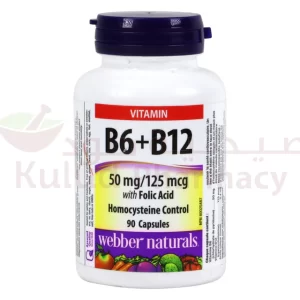
The interplay between homocysteine, B vitamins (B6, B12, and folic acid), endothelial dysfunction, and oxidative stress is critical for understanding cardiovascular and metabolic health. Elevated homocysteine levels, a condition known as hyperhomocysteinemia, contribute to oxidative stress and endothelial damage, while B vitamins play a vital role in regulating homocysteine levels.
1. Homocysteine and Its Role
What is Homocysteine?
- Homocysteine is a sulfur-containing amino acid produced as an intermediate during the metabolism of methionine.
- It is normally converted to:
- Methionine (via remethylation).
- Cysteine (via transsulfuration).
Elevated Homocysteine (Hyperhomocysteinemia):
- Causes:
- Deficiency of B6, B12, or folic acid (cofactors in homocysteine metabolism).
- Genetic mutations (e.g., MTHFR polymorphism).
- Kidney disease, hypothyroidism, or certain medications.
- Effects:
- High homocysteine levels are toxic to endothelial cells and contribute to oxidative stress and inflammation.
2. Homocysteine and Oxidative Stress
- Generation of Reactive Oxygen Species (ROS):
- Homocysteine auto-oxidizes in the plasma, generating superoxide (O₂⁻) and hydrogen peroxide (H₂O₂).
- This process leads to lipid peroxidation, DNA damage, and protein oxidation.
- Nitric Oxide (NO) Scavenging:
- ROS generated by homocysteine reduce bioavailable nitric oxide (NO), a key molecule for endothelial health.
- Homocysteine promotes peroxynitrite (ONOO⁻) formation, a potent oxidant that impairs vascular function.
- Endoplasmic Reticulum (ER) Stress:
- Homocysteine disrupts protein folding in the ER, increasing cellular stress and ROS production.
3. Endothelial Dysfunction
What is Endothelial Dysfunction?
- A condition where the endothelium (inner lining of blood vessels) loses its ability to regulate vascular tone, blood flow, and maintain anti-inflammatory and anti-thrombotic properties.
Mechanisms of Homocysteine-Induced Endothelial Dysfunction:
- Oxidative Damage:
- ROS damages endothelial cells, impairing their function.
- Reduced Nitric Oxide (NO):
- NO is essential for vasodilation and vascular health.
- Homocysteine reduces NO production and increases its degradation by ROS.
- Pro-Inflammatory State:
- Homocysteine activates NF-κB, increasing pro-inflammatory cytokine release.
- Thrombosis Risk:
- Homocysteine increases platelet aggregation and promotes clot formation.
4. Role of B Vitamins in Homocysteine Regulation
Folic Acid (Vitamin B9):
- Function: Converts homocysteine to methionine via methionine synthase.
- Deficiency:
- Leads to impaired remethylation of homocysteine, causing accumulation.
Vitamin B12 (Cobalamin):
- Function:
- A cofactor for methionine synthase, facilitating the remethylation of homocysteine.
- Deficiency:
- Causes a functional block in methionine synthesis, elevating homocysteine levels.
Vitamin B6 (Pyridoxine):
- Function:
- A cofactor for cystathionine β-synthase (CBS), which converts homocysteine to cysteine via the transsulfuration pathway.
- Deficiency:
- Impairs cysteine production, increasing homocysteine.
5. Interaction Between Homocysteine, B Vitamins, and Oxidative Stress
- Deficiency of B Vitamins:
- Leads to hyperhomocysteinemia, increasing ROS and oxidative stress.
- Supplementation:
- Adequate levels of B6, B12, and folic acid reduce homocysteine, thereby lowering ROS production and mitigating oxidative stress.
- Antioxidant Support:
- B vitamins indirectly protect endothelial cells by reducing ROS and maintaining NO bioavailability.
6. Clinical Implications
Cardiovascular Diseases:
- Homocysteine-induced oxidative stress and endothelial dysfunction contribute to:
- Atherosclerosis.
- Hypertension.
- Myocardial infarction and stroke.
Neurodegenerative Diseases:
- High homocysteine levels are associated with Alzheimer’s and Parkinson’s due to oxidative damage and neuroinflammation.
Chronic Kidney Disease (CKD):
- CKD patients often have elevated homocysteine, exacerbating vascular and oxidative damage.
7. Therapeutic Approaches
- Dietary Sources:
- Folic Acid:
- Leafy greens, citrus fruits, fortified cereals.
- Vitamin B12:
- Meat, fish, dairy products, fortified plant-based foods.
- Vitamin B6:
- Poultry, fish, potatoes, bananas, fortified foods.
- Folic Acid:
- Supplementation:
- Folic acid (400–800 mcg/day), B6 (10–50 mg/day), and B12 (500–1000 mcg/day) can significantly lower homocysteine levels.
- Antioxidant Support:
- Co-supplementation with antioxidants like vitamin C, vitamin E, and selenium can further reduce oxidative stress.
- Lifestyle Modifications:
- Regular exercise improves vascular health and reduces oxidative stress.
- Avoid smoking and alcohol, which can exacerbate oxidative stress and homocysteine levels.
8. Key Takeaways
- Elevated homocysteine contributes to oxidative stress and endothelial dysfunction, increasing the risk of cardiovascular and neurodegenerative diseases.
- B6, B12, and folic acid are critical in lowering homocysteine levels and protecting against oxidative damage.
- A combination of a nutrient-rich diet, supplementation, and healthy lifestyle practices can mitigate these effects.