
Role of Magnesium in Managing Chronic Stress

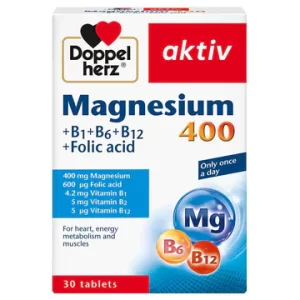
Magnesium, an essential mineral, plays a critical role in the regulation of chronic stress by influencing the nervous system, hormonal pathways, and physiological stress responses. Its involvement in over 300 enzymatic reactions makes it indispensable for maintaining balance during prolonged stress exposure.
1. How Stress Affects Magnesium Levels
- Stress-Induced Magnesium Depletion:
- Chronic stress activates the hypothalamic-pituitary-adrenal (HPA) axis, increasing cortisol production.
- Elevated cortisol enhances urinary excretion of magnesium, leading to a deficiency.
- Magnesium Deficiency Exacerbates Stress:
- Low magnesium levels heighten the body’s stress response, creating a vicious cycle.
2. Magnesium’s Role in Managing Chronic Stress
A. Regulation of the HPA Axis
- Dampening the Stress Response:
- Magnesium modulates the release of corticotropin-releasing hormone (CRH) from the hypothalamus.
- Reduces adrenocorticotropic hormone (ACTH) and cortisol secretion, preventing HPA axis overactivation.
- Restoring Homeostasis:
- Helps normalize cortisol levels during chronic stress.
B. Support for the Nervous System
- GABAergic Activity:
- Magnesium enhances the activity of gamma-aminobutyric acid (GABA), the brain’s primary inhibitory neurotransmitter.
- Promotes relaxation and reduces anxiety.
- Neurotransmitter Regulation:
- Magnesium supports serotonin production, which is critical for mood stability and stress resilience.
- Modulates glutamate receptors to prevent excitotoxicity, protecting against neural overstimulation.
C. Reduction of Oxidative Stress
- Chronic stress increases the production of reactive oxygen species (ROS), leading to cellular damage.
- Magnesium acts as a cofactor for antioxidant enzymes like glutathione peroxidase, reducing oxidative damage and inflammation.
D. Muscle Relaxation
- Magnesium regulates calcium levels in muscles, preventing excessive contraction and promoting relaxation.
- Reduces physical symptoms of stress, such as tension headaches and muscle cramps.
E. Sleep Improvement
- Chronic stress often disrupts sleep, further exacerbating cortisol dysregulation.
- Magnesium supports melatonin synthesis and calms the nervous system, improving sleep quality and reducing stress-induced insomnia.
3. Benefits of Magnesium in Chronic Stress Management
- Mood Stabilization:
- Reduces symptoms of depression and anxiety by regulating neurotransmitters and stress hormones.
- Energy Production:
- Magnesium is required for ATP production, supporting energy levels during chronic stress.
- Immune Function:
- Enhances immune resilience by reducing inflammation and oxidative stress.
- Cardiovascular Protection:
- Lowers blood pressure and supports vascular health, counteracting stress-related cardiovascular risks.
4. Magnesium-Rich Foods
To combat chronic stress, including magnesium-rich foods in the diet is essential:
- Leafy Greens: Spinach, kale, and Swiss chard.
- Nuts and Seeds: Almonds, cashews, sunflower seeds, and pumpkin seeds.
- Whole Grains: Brown rice, quinoa, and oats.
- Legumes: Black beans, chickpeas, and lentils.
- Fruits: Bananas, avocados, and dried figs.
- Seafood: Salmon and mackerel.
- Dark Chocolate: Contains high levels of magnesium and also promotes relaxation.
5. Magnesium Supplementation
- Forms of Magnesium:
- Magnesium glycinate: Best for stress and anxiety due to its calming effects.
- Magnesium citrate: Good for overall absorption and reducing muscle tension.
- Magnesium threonate: Effective for improving brain function and cognitive resilience.
- Magnesium oxide: Commonly used but has lower bioavailability.
- Dosage:
- Typical range: 200–400 mg/day.
- Consult a healthcare provider for specific recommendations, especially if on medications or with underlying conditions.
6. Signs of Magnesium Deficiency
- Anxiety and irritability.
- Muscle cramps and spasms.
- Fatigue and low energy.
- Insomnia or poor sleep quality.
- Palpitations and increased heart rate.
- Headaches and migraines.
7. Clinical Evidence
- Stress and Anxiety:
- Studies show that magnesium supplementation significantly reduces stress, anxiety, and depression symptoms.
- Magnesium deficiency is linked to heightened stress sensitivity.
- Sleep:
- Magnesium improves sleep duration and quality by supporting melatonin and GABA activity.
- Cardiovascular Health:
- Magnesium supplementation lowers blood pressure and mitigates stress-related cardiovascular strain.
8. Key Takeaways
- Magnesium is crucial for managing chronic stress due to its role in HPA axis regulation, neurotransmitter balance, and oxidative stress reduction.
- A combination of dietary intake and supplementation can effectively restore magnesium levels and enhance resilience to stress.
- Magnesium not only alleviates the physiological effects of chronic stress but also addresses mental health challenges like anxiety and sleep disturbances.