
The Role of Zinc in Neuroendocrine Disorders
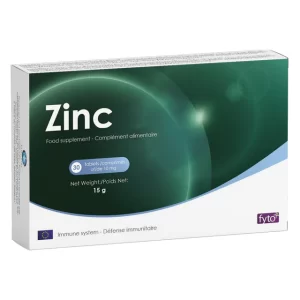
Zinc is a vital trace mineral that influences a wide range of biological processes, including antioxidant defense, immune regulation, and neuroendocrine function. Its involvement in oxidative stress, inflammation, and neuroendocrine disorders makes it a critical element for maintaining health and breaking pathological cycles.
1. Zinc as an Antioxidant
Zinc’s Role in Redox Balance
- Indirect Antioxidant:
- Zinc itself is not a free radical scavenger but contributes to antioxidant defense by:
- Acting as a cofactor for antioxidant enzymes (e.g., superoxide dismutase [SOD]).
- Stabilizing cell membranes to reduce lipid peroxidation.
- Protects sulfhydryl groups in proteins from oxidative damage.
- Zinc itself is not a free radical scavenger but contributes to antioxidant defense by:
- Prevention of ROS Generation:
- Zinc inhibits NADPH oxidase, an enzyme that generates reactive oxygen species (ROS).
- Reduces mitochondrial dysfunction, a significant source of ROS.
Zinc Enzymes in Oxidative Defense:
- Cu/Zn-Superoxide Dismutase (SOD1):
- Detoxifies superoxide radicals into hydrogen peroxide.
- Zinc maintains the structural integrity of SOD1.
- Metallothioneins:
- Zinc-binding proteins that scavenge free radicals and regulate zinc homeostasis under oxidative stress.
2. Zinc in Neuroendocrine Function
A. Hypothalamic-Pituitary-Adrenal (HPA) Axis Regulation
- Zinc modulates the HPA axis by:
- Regulating the release of corticotropin-releasing hormone (CRH) from the hypothalamus.
- Supporting adrenal gland function, which produces stress hormones like cortisol.
- Chronic Stress and Zinc:
- Stress increases cortisol levels, leading to zinc depletion.
- Zinc deficiency exacerbates HPA axis dysregulation, creating a feedback loop.
B. Neurotransmitter Function
- Zinc influences the synthesis, release, and function of key neurotransmitters:
- Glutamate: Zinc modulates glutamatergic signaling, preventing excitotoxicity in neurons.
- GABA (Gamma-Aminobutyric Acid): Zinc interacts with GABA receptors, promoting relaxation and reducing anxiety.
- Serotonin and Dopamine: Zinc is essential for the enzymes involved in their synthesis.
C. Neurogenesis and Brain Development
- Zinc is critical for:
- Neurogenesis: Supports the proliferation and differentiation of neuronal cells.
- Synaptic plasticity: Essential for learning, memory, and mood regulation.
- Brain-derived neurotrophic factor (BDNF): Zinc regulates BDNF expression, promoting neuronal survival and growth.
3. Zinc’s Role in Inflammation
- Regulation of Cytokines:
- Zinc suppresses the production of pro-inflammatory cytokines like TNF-α, IL-6, and IL-1β.
- Enhances the production of anti-inflammatory cytokines like IL-10.
- NF-κB Pathway Inhibition:
- Zinc inhibits NF-κB activation, reducing the transcription of inflammatory mediators.
- T Cell Function:
- Zinc is essential for the development and function of regulatory T cells (Tregs), which suppress excessive immune responses.
- Gut Barrier Function:
- Zinc strengthens the intestinal epithelial barrier, preventing systemic inflammation caused by leaky gut.
4. Zinc in the Oxidative Stress-Inflammation-Neuroendocrine Loop
Breaking the Cycle
- Oxidative Stress → Inflammation:
- Zinc reduces ROS generation and protects against oxidative damage that triggers inflammation.
- Inflammation → Oxidative Stress:
- Zinc inhibits inflammatory mediators that perpetuate oxidative stress.
- Neuroendocrine Dysfunction:
- Zinc supports HPA axis regulation and neurotransmitter balance, preventing stress-induced neuroinflammation.
5. Zinc in Neuroendocrine Disorders
A. Depression and Anxiety
- Zinc deficiency is associated with:
- Low serotonin and dopamine levels.
- Increased pro-inflammatory cytokines linked to depression.
- Supplementation enhances the effects of antidepressants and reduces anxiety symptoms.
B. Stress and Fatigue
- Chronic stress depletes zinc, leading to:
- Impaired adrenal function and HPA axis dysregulation.
- Increased oxidative stress and inflammation.
- Zinc supplementation restores balance and improves stress resilience.
C. Cognitive Impairment
- Zinc improves memory and cognitive function by:
- Enhancing synaptic plasticity.
- Reducing oxidative damage in neurodegenerative diseases like Alzheimer’s.
6. Zinc Deficiency and Its Consequences
A. Causes of Deficiency:
- Poor dietary intake (e.g., vegetarian or low-protein diets).
- Chronic stress and high cortisol levels.
- Increased losses due to diarrhea, malabsorption, or chronic illness.
B. Symptoms of Deficiency:
- Fatigue, irritability, and mood disorders.
- Impaired wound healing and increased susceptibility to infections.
- Cognitive decline and memory problems.
7. Zinc Supplementation
A. Sources of Zinc:
- Dietary Sources:
- Red meat, shellfish (e.g., oysters), poultry.
- Legumes, seeds, and whole grains (phytate content can inhibit absorption).
- Supplements:
- Common forms: Zinc gluconate, zinc sulfate, and zinc citrate.
- Dosage: 8–11 mg/day for adults (upper limit: 40 mg/day).
B. Clinical Evidence:
- Zinc supplementation has been shown to:
- Improve mood and reduce symptoms of depression and anxiety.
- Enhance immune function and reduce inflammatory markers.
- Support cognitive function and delay progression in neurodegenerative conditions.
8. Synergistic Effects of Zinc with Other Nutrients
- Selenium: Enhances antioxidant defense and immune regulation.
- Vitamin C and E: Works with zinc to reduce oxidative damage.
- Magnesium: Together with zinc, promotes relaxation and stress reduction.