
Probiotics: An Overview
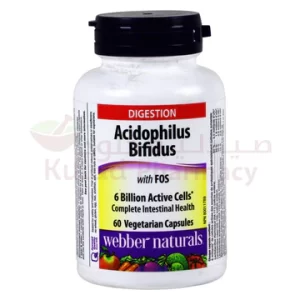
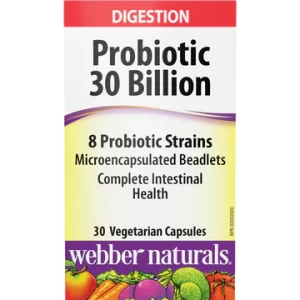
Probiotics are live microorganisms, primarily beneficial bacteria and yeast, that provide health benefits when consumed in adequate amounts. They help maintain or restore the natural balance of the gut microbiota, which plays a crucial role in overall health.
Key Functions of Probiotics
- Maintaining Gut Health:
- Restore the balance of gut microbiota disrupted by antibiotics, illness, or poor diet.
- Prevent harmful bacteria from colonizing the gut by competing for space and nutrients.
- Enhancing Digestion:
- Aid in the breakdown of food, especially lactose (milk sugar), by producing digestive enzymes.
- Immune System Support:
- Stimulate immune cells and produce substances that inhibit harmful pathogens.
- Help reduce inflammation associated with autoimmune conditions.
- Improving Nutrient Absorption:
- Enhance the absorption of vitamins and minerals, particularly calcium and magnesium.
- Produce B vitamins and vitamin K.
- Mental Health Support:
- Influence the gut-brain axis by producing neurotransmitters like serotonin, improving mood and reducing anxiety.
Types of Probiotics
- Bacteria:
- Lactobacillus: Found in yogurt and fermented foods; helps with digestion and immunity.
- Bifidobacterium: Supports the colon, reduces inflammation, and improves gut barrier function.
- Yeast:
- Saccharomyces boulardii: Effective for treating diarrhea and promoting gut health.
Health Benefits of Probiotics
- Digestive Health:
- Treats diarrhea (including antibiotic-associated diarrhea).
- Manages irritable bowel syndrome (IBS) and inflammatory bowel diseases (IBD) like Crohn’s disease and ulcerative colitis.
- Immune Health:
- Reduces the severity and duration of colds and flu.
- Helps prevent infections by supporting the gut’s immune barrier.
- Mental Health:
- Reduces symptoms of anxiety, depression, and stress through the gut-brain axis.
- Allergy Management:
- Modulates immune responses, reducing allergic reactions like eczema and hay fever.
- Skin Health:
- Improves conditions like acne, rosacea, and eczema by reducing systemic inflammation.
- Weight Management:
- May influence metabolism and fat storage, aiding in weight control.
Sources of Probiotics
- Food Sources:
- Fermented dairy: Yogurt, kefir.
- Fermented vegetables: Sauerkraut, kimchi.
- Beverages: Kombucha.
- Soy-based products: Tempeh, miso.
- Supplements:
- Capsules, powders, or liquid forms containing specific strains of probiotics.
- Often combined with prebiotics (fiber that feeds probiotics) for enhanced efficacy.
Probiotics and Their Role in Specific Conditions
- Gastrointestinal Disorders:
- Reduce bloating, gas, and discomfort in IBS.
- Restore gut flora after antibiotic use.
- Inflammatory and Autoimmune Diseases:
- Decrease systemic inflammation and improve symptoms of rheumatoid arthritis and IBD.
- Mental Health:
- Probiotic strains like Lactobacillus helveticus and Bifidobacterium longum positively influence mood and reduce stress.
- Metabolic Disorders:
- Regulate blood sugar levels and improve cholesterol profiles.
Probiotic Challenges
- Strain-Specific Benefits:
- Not all probiotics offer the same benefits; effectiveness depends on the strain and condition being treated.
- Survival in the Digestive Tract:
- Probiotics must survive stomach acid and bile to reach the intestines.
- Advanced encapsulation methods improve survival rates.
- Dosage and Timing:
- Optimal doses vary by strain and individual; usually between 1–10 billion CFUs (colony-forming units) daily.
Probiotics vs. Prebiotics
- Probiotics: Live beneficial microbes.
- Prebiotics: Non-digestible fibers (e.g., inulin, fructooligosaccharides) that feed probiotics and promote their growth.
Mode of Action of Probiotics
The benefits of probiotics stem from their ability to interact with the host’s gut microbiota, epithelial cells, immune cells, and signaling pathways. Below are the key mechanisms through which probiotics exert their effects:
1. Modulation of Gut Microbiota
- Mechanism:
- Probiotics restore balance in the gut microbiome by inhibiting the growth of harmful bacteria and promoting beneficial bacterial populations.
- They compete with pathogens for nutrients and adhesion sites on the intestinal epithelium.
- Result:
- Reduces dysbiosis (microbial imbalance) caused by antibiotics, poor diet, or illness.
2. Competitive Exclusion of Pathogens
- Mechanism:
- Probiotics adhere to the gut lining, preventing pathogens from colonizing the intestinal wall.
- They produce antimicrobial substances, such as:
- Lactic acid: Lowers pH, making the environment hostile for pathogens.
- Bacteriocins: Protein-based toxins that inhibit pathogenic bacteria.
- Result:
- Prevents infections like Clostridium difficile-associated diarrhea and urinary tract infections.
3. Strengthening the Gut Barrier
- Mechanism:
- Probiotics enhance the production of tight junction proteins, improving the integrity of the intestinal epithelial barrier.
- Stimulate mucus production, creating a physical barrier to pathogens.
- Reduce intestinal permeability (“leaky gut”).
- Result:
- Prevents translocation of harmful microbes and toxins into the bloodstream.
4. Immune System Modulation
- Mechanism:
- Probiotics interact with immune cells in the gut-associated lymphoid tissue (GALT) to:
- Increase the production of anti-inflammatory cytokines (e.g., IL-10).
- Decrease pro-inflammatory cytokines (e.g., IL-6, TNF-α).
- Regulate T-cell responses, balancing Th1, Th2, and Th17 immune pathways.
- Activate dendritic cells and macrophages to enhance pathogen recognition.
- Probiotics interact with immune cells in the gut-associated lymphoid tissue (GALT) to:
- Result:
- Strengthens the immune system and reduces inflammation in conditions like IBD and allergies.
5. Production of Bioactive Compounds
- Mechanism:
- Probiotics produce short-chain fatty acids (SCFAs) such as butyrate, acetate, and propionate by fermenting dietary fibers.
- SCFAs:
- Nourish colonocytes (intestinal lining cells).
- Reduce inflammation.
- Promote gut motility.
- Synthesize vitamins like B12, folate, and vitamin K.
- Result:
- Improves gut health, supports cellular energy, and provides systemic benefits.
6. Interaction with the Gut-Brain Axis
- Mechanism:
- Probiotics influence the gut-brain axis via:
- Neurotransmitter production: Some strains produce serotonin, GABA, and dopamine, regulating mood and anxiety.
- Vagal nerve stimulation: Signals from gut microbes are transmitted to the brain through the vagus nerve.
- Reduction of systemic inflammation: By decreasing pro-inflammatory cytokines that can affect brain function.
- Probiotics influence the gut-brain axis via:
- Result:
- Reduces symptoms of anxiety, depression, and stress-related disorders.
7. Regulation of Metabolic Activity
- Mechanism:
- Probiotics regulate lipid and carbohydrate metabolism by:
- Modulating bile acid metabolism.
- Improving insulin sensitivity.
- Reducing cholesterol absorption by deconjugating bile salts.
- Probiotics regulate lipid and carbohydrate metabolism by:
- Result:
- Helps in managing metabolic disorders like diabetes, obesity, and dyslipidemia.
8. Neutralization of Toxins
- Mechanism:
- Some probiotic strains bind to and neutralize toxins produced by pathogens, such as enterotoxins from Escherichia coli and Clostridium difficile.
- Probiotics can degrade carcinogenic substances, reducing cancer risk.
- Result:
- Protects against foodborne illnesses and reduces the risk of toxin-induced diseases.
9. Anti-Inflammatory Effects
- Mechanism:
- Probiotics reduce inflammation by inhibiting nuclear factor-kappa B (NF-κB), a key regulator of inflammation.
- Promote the production of regulatory T cells (Tregs) that suppress immune overreaction.
- Result:
- Mitigates chronic inflammatory conditions like IBD, arthritis, and eczema.
Examples of Strain-Specific Modes of Action
- Lactobacillus rhamnosus GG:
- Enhances gut barrier integrity.
- Reduces antibiotic-associated diarrhea.
- Bifidobacterium longum:
- Reduces stress and anxiety by influencing the gut-brain axis.
- Saccharomyces boulardii:
- Protects against infections by producing proteases that degrade pathogenic toxins.
- Lactobacillus acidophilus:
- Reduces cholesterol by deconjugating bile acids.
Key Takeaways
- Probiotics work through multiple mechanisms: modulating the gut microbiota, enhancing gut barrier function, regulating immune responses, producing bioactive compounds, and interacting with systemic pathways like the gut-brain axis.
- Strain-specific actions: Different strains have distinct mechanisms and benefits, emphasizing the importance of selecting the right strain for specific conditions.
Conclusion
Probiotics are a powerful tool for maintaining gut health and supporting overall well-being. Incorporating probiotic-rich foods or supplements into your diet can enhance digestive, immune,