
Vitamin E and Its Role in Oxidative Stress
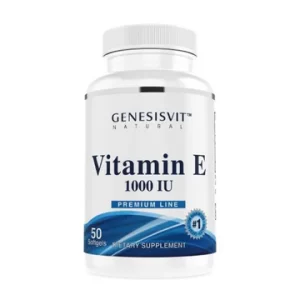
Vitamin E is a fat-soluble antioxidant that plays a pivotal role in protecting cells from oxidative stress. It is essential for maintaining the integrity of cellular membranes, neutralizing reactive oxygen species (ROS), and preventing oxidative damage to lipids, proteins, and DNA.
1. Overview of Vitamin E
- Forms: Vitamin E exists in eight naturally occurring forms:
- Tocopherols (α-, β-, γ-, and δ-).
- Tocotrienols (α-, β-, γ-, and δ-).
- Most Active Form: α-tocopherol is the most biologically active form in humans and is preferentially retained in tissues.
2. Vitamin E’s Role in Oxidative Stress
A. Lipid Peroxidation Inhibition
- Primary Role:
- Vitamin E is a potent lipid-soluble antioxidant that prevents lipid peroxidation in cell membranes.
- ROS attack polyunsaturated fatty acids (PUFAs) in lipid membranes, initiating a chain reaction of lipid peroxidation.
- Vitamin E interrupts this chain reaction by donating an electron to stabilize free radicals, converting itself into a less reactive form.
B. ROS Neutralization
- Vitamin E directly scavenges free radicals like:
- Hydroxyl radicals (OH•).
- Superoxide anions (O₂⁻).
- Singlet oxygen (¹O₂).
- By reducing ROS, vitamin E minimizes oxidative damage to cellular components, including lipids, proteins, and DNA.
C. Synergistic Effects with Other Antioxidants
- Works with Vitamin C:
- After neutralizing ROS, oxidized vitamin E (α-tocopheroxyl radical) is regenerated back to its active form by vitamin C, maintaining its antioxidant capacity.
- Glutathione and selenium enhance its antioxidant actions.
D. Protection of Mitochondrial Function
- Vitamin E safeguards mitochondrial membranes from oxidative damage, ensuring efficient energy production and reducing electron leakage that leads to ROS generation.
3. Vitamin E in Specific Systems
A. Cardiovascular System
- Endothelial Protection:
- Reduces oxidative stress on endothelial cells, maintaining vascular health.
- Prevention of LDL Oxidation:
- Protects low-density lipoprotein (LDL) cholesterol from oxidation, a key step in atherosclerosis development.
B. Nervous System
- Neuroprotection:
- Vitamin E protects neurons from oxidative stress-related damage.
- Reduces risk of neurodegenerative diseases like Alzheimer’s and Parkinson’s.
C. Immune System
- Enhances immune function by reducing oxidative stress on immune cells, improving their efficiency.
D. Skin Health
- Reduces oxidative damage caused by UV radiation, preventing premature aging and skin inflammation.
4. Clinical Implications of Vitamin E in Oxidative Stress
A. Oxidative Stress-Related Diseases
- Cardiovascular Diseases:
- Protects blood vessels and reduces the risk of atherosclerosis by preventing lipid peroxidation.
- Neurodegenerative Disorders:
- Protects against neuroinflammation and oxidative damage in conditions like Alzheimer’s, Parkinson’s, and multiple sclerosis.
- Diabetes Mellitus:
- Reduces oxidative stress-induced complications like neuropathy, nephropathy, and retinopathy.
- Cancer Prevention:
- By reducing DNA damage, vitamin E helps lower the risk of certain cancers.
B. Aging and Longevity
- Minimizes cumulative oxidative damage to cells and tissues, slowing aging processes.
5. Dietary Sources of Vitamin E
- Nuts and Seeds:
- Almonds, sunflower seeds, hazelnuts.
- Vegetable Oils:
- Sunflower oil, safflower oil, wheat germ oil.
- Leafy Greens:
- Spinach, kale, broccoli.
- Fortified Foods:
- Breakfast cereals and plant-based milk.
6. Supplementation
- Forms:
- Natural vitamin E: d-α-tocopherol.
- Synthetic vitamin E: dl-α-tocopherol (less bioavailable).
- Dosage:
- Recommended Dietary Allowance (RDA):
- Adults: 15 mg/day (22.4 IU).
- Caution: High doses (>1000 mg/day) may cause adverse effects like bleeding due to its anti-coagulant properties.
- Recommended Dietary Allowance (RDA):
7. Vitamin E Deficiency and Oxidative Stress
Causes:
- Fat malabsorption (e.g., cystic fibrosis, Crohn’s disease).
- Poor dietary intake.
Consequences:
- Increased Lipid Peroxidation:
- Leads to cellular membrane damage and loss of integrity.
- Neurological Symptoms:
- Peripheral neuropathy, ataxia, and muscle weakness.
- Weakened Immune Function:
- Increased susceptibility to infections.
8. Key Takeaways
- Vitamin E is a critical antioxidant that protects cells and tissues from oxidative damage by inhibiting lipid peroxidation and neutralizing ROS.
- It plays a significant role in preventing and managing oxidative stress-related conditions, including cardiovascular, neurodegenerative, and inflammatory diseases.
- A balanced diet rich in vitamin E or appropriate supplementation can help maintain redox balance and support overall health.