
The Role of Propolis in Inflammatory Disorders
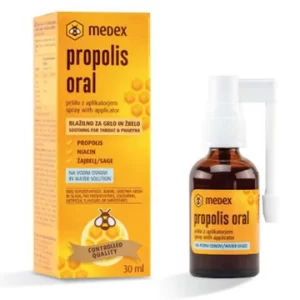
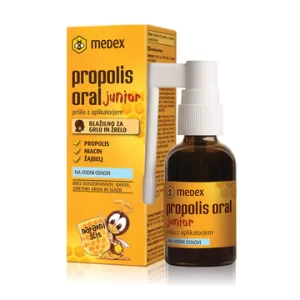
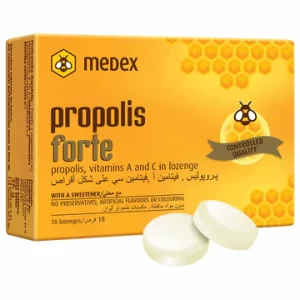
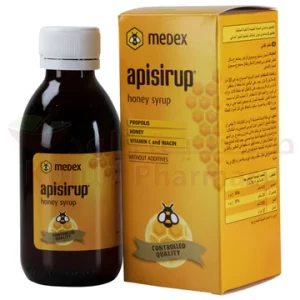
Propolis, a resin-like substance collected by bees from plant resins, is rich in bioactive compounds with potent anti-inflammatory, antioxidant, and immunomodulatory properties. It has been widely used in traditional and modern medicine to manage various inflammatory disorders.
1. Key Components of Propolis
Propolis contains a diverse array of bioactive compounds, including:
- Flavonoids: Quercetin, chrysin, galangin.
- Phenolic Acids: Caffeic acid, ferulic acid.
- Caffeic Acid Phenethyl Ester (CAPE): A major bioactive compound with anti-inflammatory effects.
- Terpenoids and Aromatic Compounds: Anti-inflammatory and antimicrobial activities.
2. Mechanisms of Propolis in Inflammation
A. Inhibition of Inflammatory Pathways
- NF-κB Pathway:
- Propolis inhibits nuclear factor-kappa B (NF-κB), a transcription factor that drives the expression of pro-inflammatory cytokines like TNF-α, IL-1β, and IL-6.
- Reduces the production of pro-inflammatory mediators such as prostaglandins and leukotrienes.
- COX and LOX Enzymes:
- Propolis suppresses cyclooxygenase (COX) and lipoxygenase (LOX) enzymes, decreasing the synthesis of inflammatory mediators like prostaglandins and leukotrienes.
- MAPK Pathway:
- Inhibits mitogen-activated protein kinase (MAPK) signaling, reducing cytokine production and inflammatory cell activation.
B. Antioxidant Effects
- Propolis neutralizes reactive oxygen species (ROS), which contribute to oxidative stress and inflammation.
- Enhances the activity of endogenous antioxidants like glutathione, superoxide dismutase (SOD), and catalase.
C. Immune Modulation
- Regulates immune cell activity by:
- Reducing the overactivation of macrophages and neutrophils.
- Balancing the Th1/Th2 immune response, promoting a controlled inflammatory reaction.
D. Tissue Protection
- Propolis protects tissues from damage caused by inflammation by reducing oxidative stress, preventing cellular damage, and promoting tissue repair.
3. Benefits of Propolis in Specific Inflammatory Disorders
A. Respiratory Disorders
- Asthma:
- Reduces airway inflammation by inhibiting NF-κB activation and cytokine release.
- Decreases eosinophil infiltration in the airways.
- Chronic Obstructive Pulmonary Disease (COPD):
- Protects lung tissue from oxidative damage and inflammation.
B. Gastrointestinal Inflammatory Disorders
- Ulcerative Colitis:
- Propolis reduces colonic inflammation by suppressing pro-inflammatory cytokines.
- Promotes healing of the gut lining.
- Gastritis:
- Protects gastric mucosa from inflammatory damage and ROS-induced ulcers.
C. Rheumatoid Arthritis
- Reduces joint inflammation and cartilage degradation by suppressing cytokines and enzymes like matrix metalloproteinases (MMPs).
- Alleviates pain and swelling in inflamed joints.
D. Cardiovascular Inflammation
- Prevents vascular inflammation by inhibiting endothelial dysfunction and reducing oxidative stress.
- Protects against atherosclerosis by reducing LDL oxidation and inflammatory cytokine levels.
E. Skin Inflammatory Disorders
- Psoriasis:
- Propolis reduces keratinocyte hyperproliferation and inflammation in psoriatic lesions.
- Eczema and Dermatitis:
- Relieves redness, swelling, and itching by modulating inflammatory pathways.
F. Neuroinflammation
- Protects against neurodegenerative diseases (e.g., Alzheimer’s) by reducing microglial activation and oxidative stress in the brain.
4. Clinical Evidence
- Anti-Inflammatory Effects:
- Studies show that propolis reduces inflammation markers (e.g., TNF-α, IL-6) in patients with chronic inflammatory conditions.
- Wound Healing:
- Topical application of propolis accelerates wound healing by reducing inflammation and promoting collagen synthesis.
- Autoimmune Diseases:
- Propolis has shown potential in reducing autoimmune inflammation, such as in rheumatoid arthritis and systemic lupus erythematosus.
5. Dosage and Forms
A. Forms of Propolis:
- Extracts:
- Alcohol-based or water-based extracts are commonly used.
- Capsules and Tablets:
- Standardized doses for systemic use.
- Topical Applications:
- Creams, ointments, and sprays for skin and wound care.
B. Dosage:
- Typical oral dose: 300–500 mg/day.
- Topical use: Apply as needed on the affected area.
6. Safety and Precautions
- Generally Safe:
- Propolis is well-tolerated in most people.
- Allergic Reactions:
- Rarely, individuals may experience allergic reactions, particularly those allergic to bee products.
- Drug Interactions:
- May interact with anticoagulants or immunosuppressants; consult a healthcare provider if on medication.
7. Key Takeaways
- Propolis is a natural anti-inflammatory agent that regulates key inflammatory pathways, reduces oxidative stress, and supports immune balance.
- It is effective in managing various inflammatory disorders, including respiratory, gastrointestinal, skin, and autoimmune conditions.
- Regular use of propolis, either orally or topically, can provide therapeutic benefits in reducing inflammation and promoting tissue repair.