
The Role of Iron in Depression
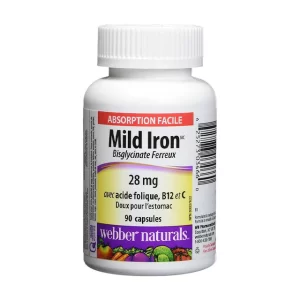
Iron is an essential trace mineral critical for numerous physiological processes, including oxygen transport, energy production, and neurotransmitter synthesis. Its role in brain function makes it a key player in mental health, particularly in conditions like depression. Iron deficiency, even without anemia, has been linked to the development and severity of depressive symptoms.
1. Key Functions of Iron Relevant to Mental Health
- Oxygen Transport:
- Iron is a core component of hemoglobin and myoglobin, ensuring oxygen delivery to tissues, including the brain, which is highly oxygen-dependent.
- Neurotransmitter Synthesis:
- Iron acts as a cofactor for enzymes involved in synthesizing dopamine, norepinephrine, and serotonin, neurotransmitters critical for mood regulation.
- Energy Production:
- Iron is required for the function of mitochondrial enzymes in the electron transport chain, supporting ATP production for brain and neuronal activity.
- Myelination:
- Iron contributes to the formation of myelin, the protective sheath around neurons, enhancing signal transmission.
- Regulation of Brain Development:
- During early life, iron is crucial for brain development, including the formation of neural networks and cognitive function.
2. How Iron Deficiency Contributes to Depression
Iron deficiency can contribute to depression through several mechanisms:
A. Impaired Neurotransmitter Synthesis
- Enzymes like tyrosine hydroxylase and tryptophan hydroxylase, essential for dopamine and serotonin production, depend on iron.
- Iron deficiency reduces the availability of these neurotransmitters, disrupting mood regulation.
B. Hypoxia in Brain Tissue
- Low iron levels impair oxygen delivery to brain tissues, leading to hypoxia.
- Brain hypoxia affects neuronal function, potentially contributing to depressive symptoms like fatigue, brain fog, and lack of motivation.
C. Altered Energy Metabolism
- Iron deficiency reduces mitochondrial efficiency, decreasing ATP production and contributing to fatigue and cognitive impairment, which are common in depression.
D. Inflammation and Oxidative Stress
- Iron deficiency can trigger systemic inflammation and increase oxidative stress, both of which are implicated in the pathophysiology of depression.
E. Dysregulation of the Hypothalamic-Pituitary-Adrenal (HPA) Axis
- Chronic iron deficiency may alter HPA axis activity, increasing cortisol levels and exacerbating stress responses, a key factor in depression.
3. Evidence Linking Iron to Depression
- Observational Studies:
- Individuals with low serum ferritin (a marker of iron stores) often exhibit higher rates of depressive symptoms.
- Iron deficiency anemia (IDA) is associated with an increased risk of mood disorders, including depression.
- Interventional Studies:
- Supplementation with iron in iron-deficient individuals has been shown to improve mood, energy, and cognitive function.
- Treating IDA has been linked to a reduction in depressive symptoms.
4. Populations at Risk of Iron-Related Depression
- Women of Reproductive Age:
- Menstrual blood loss and pregnancy increase the risk of iron deficiency, making women more vulnerable to depression.
- Children and Adolescents:
- Iron deficiency during critical periods of brain development may contribute to cognitive deficits and mood disorders.
- Older Adults:
- Malabsorption and chronic conditions may lead to iron deficiency and increase depression risk.
- Individuals with Chronic Illnesses:
- Chronic kidney disease, inflammatory bowel disease, and heart failure are associated with iron deficiency and depressive symptoms.
- Vegetarians and Vegans:
- Lower dietary intake of heme iron from animal sources increases the risk of deficiency.
5. Dietary Sources of Iron
A. Heme Iron (Highly Absorbable):
- Found in animal products:
- Red meat, poultry, fish, liver, and shellfish.
B. Non-Heme Iron (Less Absorbable):
- Found in plant-based sources:
- Lentils, beans, tofu, spinach, quinoa, and fortified cereals.
C. Enhancers of Iron Absorption:
- Vitamin C: Increases the absorption of non-heme iron.
- Animal Proteins: Enhance non-heme iron absorption.
D. Inhibitors of Iron Absorption:
- Tannins (tea, coffee), calcium, and phytates (whole grains and legumes) reduce iron absorption.
6. Supplementation and Treatment
A. Iron Supplements:
- Forms:
- Ferrous sulfate, ferrous gluconate, and ferrous fumarate are common forms.
- Ferric compounds may be used for those with gastrointestinal sensitivity to ferrous salts.
- Dosage:
- Typical dose for iron deficiency: 100–200 mg of elemental iron/day.
- Side Effects:
- Constipation, nausea, or dark stools. These can be mitigated by taking supplements with food or switching to a different form of iron.
B. Intravenous Iron:
- Used in severe cases or when oral supplementation is not tolerated.
7. Clinical Implications
A. Preventive Role:
- Ensuring adequate iron intake can reduce the risk of depression, particularly in high-risk populations.
B. Adjunctive Therapy:
- Iron supplementation may enhance the efficacy of antidepressants in iron-deficient individuals by addressing underlying neurotransmitter imbalances.
C. Cognitive and Physical Improvements:
- Treating iron deficiency alleviates fatigue and cognitive deficits, indirectly improving mood.
8. Recommended Iron Intake
- Men: 8 mg/day.
- Women:
- 18 mg/day (ages 19–50).
- 8 mg/day (51+ years).
- 27 mg/day during pregnancy.
- Vegetarians/Vegans: May require 1.8 times the recommended intake due to lower bioavailability of non-heme iron.
9. Key Takeaways
- Iron deficiency contributes to depression by impairing neurotransmitter synthesis, oxygen delivery, and energy metabolism, and by increasing inflammation and oxidative stress.
- Treating iron deficiency, through diet or supplementation, can alleviate depressive symptoms, particularly in at-risk populations.
- Iron’s role in brain function and mental health underscores the importance of addressing deficiency as part of a holistic approach to managing depression.