
Turmeric: A Comprehensive Overview
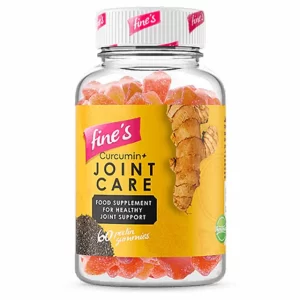
Turmeric (Curcuma longa) is a golden-yellow spice widely recognized for its medicinal properties, particularly due to its bioactive component, curcumin. It plays a significant role in managing oxidative stress, inflammation, and neuroendocrine disorders.
1. Active Components of Turmeric
- Curcuminoids: The primary bioactive compounds, including:
- Curcumin: The most studied compound with antioxidant and anti-inflammatory properties.
- Demethoxycurcumin and bisdemethoxycurcumin.
- Volatile Oils: Turmerone, atlantone, and zingiberene contribute to turmeric’s therapeutic effects.
2. Turmeric’s Role in Oxidative Stress
Mechanism of Action:
- Direct Antioxidant:
- Curcumin scavenges reactive oxygen species (ROS) like hydroxyl radicals and superoxide.
- It also chelates transition metals (e.g., iron), reducing ROS production via the Fenton reaction.
- Indirect Antioxidant:
- Activates the Nrf2 pathway, a master regulator of antioxidant defense.
- Upregulates endogenous antioxidants, including:
- Glutathione.
- Superoxide dismutase (SOD).
- Catalase.
- Protection Against Lipid Peroxidation:
- Curcumin reduces oxidative damage to cell membranes by neutralizing lipid peroxides.
3. Turmeric’s Role in Inflammation
Anti-Inflammatory Properties:
- Inhibition of NF-κB Pathway:
- Curcumin suppresses nuclear factor-kappa B (NF-κB), a key transcription factor in inflammation.
- Reduces the production of pro-inflammatory cytokines like IL-6, TNF-α, and IL-1β.
- Suppression of COX and LOX Enzymes:
- Inhibits cyclooxygenase (COX) and lipoxygenase (LOX) enzymes, reducing prostaglandin and leukotriene production.
- Reduction of Inflammasome Activation:
- Curcumin modulates the NLRP3 inflammasome, reducing IL-1β release and systemic inflammation.
4. Turmeric’s Role in Neuroendocrine Disorders
- Stress and HPA Axis Regulation:
- Curcumin reduces stress-induced activation of the hypothalamic-pituitary-adrenal (HPA) axis.
- Lowers cortisol levels and mitigates stress-related oxidative damage.
- Neurotransmitter Modulation:
- Increases levels of serotonin and dopamine in the brain.
- Inhibits monoamine oxidase (MAO), an enzyme that degrades serotonin and dopamine.
- Improves mood and reduces symptoms of depression and anxiety.
- Neuroprotection:
- Curcumin protects neurons by reducing oxidative stress and neuroinflammation.
- Increases brain-derived neurotrophic factor (BDNF), which supports neuronal survival and plasticity.
5. Turmeric in the Oxidative Stress-Inflammation Loop
- Breaking the Cycle:
- Curcumin reduces ROS levels, preventing the oxidative damage that triggers inflammation.
- Suppresses inflammatory pathways, reducing ROS production by immune cells.
- Mitochondrial Protection:
- Curcumin stabilizes mitochondrial function, reducing ROS leakage and preserving cellular energy.
6. Therapeutic Applications of Turmeric
- Neurodegenerative Disorders:
- Alzheimer’s Disease:
- Curcumin inhibits amyloid-beta plaque formation and reduces neuroinflammation.
- Protects against oxidative damage in brain cells.
- Parkinson’s Disease:
- Reduces oxidative damage to dopaminergic neurons.
- Alzheimer’s Disease:
- Depression and Anxiety:
- Studies show that curcumin supplementation improves mood and reduces symptoms of depression by modulating serotonin and dopamine.
- Metabolic Disorders:
- Curcumin improves insulin sensitivity and reduces systemic inflammation in diabetes.
- Lowers cholesterol and prevents lipid peroxidation in cardiovascular diseases.
- Arthritis:
- Reduces joint inflammation and pain in rheumatoid arthritis and osteoarthritis.
- Inhibits inflammatory cytokines and cartilage-degrading enzymes.
7. Bioavailability Challenges and Solutions
Curcumin has low bioavailability due to poor absorption, rapid metabolism, and quick elimination. Strategies to enhance bioavailability include:
- Combining with Piperine:
- Black pepper extract (piperine) increases curcumin absorption by up to 2000%.
- Formulations:
- Liposomal curcumin.
- Curcumin nanoparticles.
- Curcumin-phospholipid complexes (e.g., Meriva).
- Taking with Fat:
- Curcumin is fat-soluble, so consuming it with healthy fats enhances absorption.
8. Dosage and Safety
- Dosage:
- Typical dose: 500–2000 mg/day of curcumin in divided doses.
- Effective doses depend on the condition being treated and formulation.
- Safety:
- Generally well-tolerated.
- High doses may cause gastrointestinal upset or interact with blood thinners (e.g., warfarin).
9. Synergistic Effects
- Turmeric and Omega-3 Fatty Acids:
- Combined use enhances anti-inflammatory effects, particularly in neurodegenerative diseases.
- Turmeric and Probiotics:
- Curcumin supports gut health, enhancing the efficacy of probiotics in reducing systemic inflammation.
10. Practical Applications
- Dietary Inclusion:
- Use turmeric in curries, golden milk, or as a spice in cooking.
- Supplements:
- Choose high-bioavailability formulations for targeted therapeutic use.
- Topical Applications:
- Turmeric paste can reduce skin inflammation and promote wound healing.