
The Role of Apple Cider Vinegar (ACV) in Health

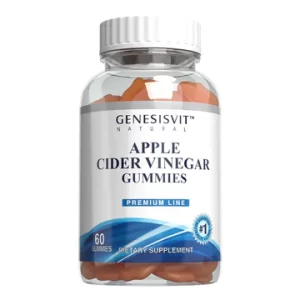
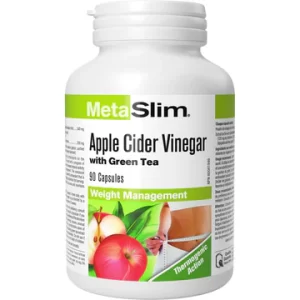
Apple cider vinegar (ACV) is a fermented liquid made from crushed apples, yeast, and bacteria. It contains acetic acid, vitamins, minerals, and bioactive compounds that contribute to its potential health benefits. ACV is often used as a natural remedy for various conditions, including digestion, metabolism, and oxidative stress-related disorders.
1. Composition of Apple Cider Vinegar
- Acetic Acid:
- The primary active component, constituting about 5–6% of ACV.
- Contributes to many of its health benefits, including antimicrobial and metabolic effects.
- Polyphenols:
- Plant compounds with antioxidant properties.
- Protect cells from oxidative stress.
- Enzymes and Probiotics:
- Unfiltered ACV contains the “mother,” a colony of beneficial bacteria and enzymes.
- Minerals:
- Potassium, magnesium, and small amounts of phosphorus and calcium.
2. Role of ACV in Managing Oxidative Stress
- Antioxidant Activity:
- Polyphenols in ACV, like chlorogenic acid, scavenge reactive oxygen species (ROS), reducing oxidative stress.
- Protects lipids, proteins, and DNA from oxidative damage.
- Improved Mitochondrial Function:
- Acetic acid helps enhance energy metabolism, reducing ROS production in mitochondria.
3. Role of ACV in Inflammation
- Anti-Inflammatory Effects:
- Acetic acid modulates inflammatory pathways, reducing the release of pro-inflammatory cytokines like TNF-α and IL-6.
- Protects against chronic inflammation linked to metabolic and cardiovascular diseases.
- Gut Barrier Support:
- ACV promotes gut health, which reduces systemic inflammation by preventing leaky gut and reducing endotoxin release.
4. Role of ACV in Metabolism
- Blood Sugar Regulation:
- Improves Insulin Sensitivity:
- Acetic acid enhances glucose uptake by muscles and reduces post-meal blood sugar spikes.
- Slows Digestion of Starches:
- Inhibits enzymes like amylase, reducing carbohydrate absorption.
- Beneficial for individuals with diabetes or insulin resistance.
- Improves Insulin Sensitivity:
- Weight Management:
- Appetite Suppression:
- Acetic acid increases satiety, leading to reduced calorie intake.
- Fat Metabolism:
- Studies suggest ACV reduces fat accumulation and promotes lipid breakdown.
- Appetite Suppression:
- Cholesterol and Lipid Profile:
- Lowers total cholesterol and triglyceride levels.
- Increases HDL (good cholesterol) while reducing LDL (bad cholesterol).
5. Role of ACV in Gut Health
- Probiotic Support:
- The “mother” in unfiltered ACV contains beneficial bacteria that support gut microbiota balance.
- Improves digestion and reduces bloating.
- Acidic Environment:
- Enhances the stomach’s acidity, aiding in protein digestion and preventing the growth of harmful bacteria.
6. Antimicrobial Properties
- Pathogen Inhibition:
- Acetic acid kills harmful bacteria and prevents infections, especially in food preservation.
- Effective against bacteria like E. coli and Salmonella.
- Skin Health:
- ACV’s antimicrobial properties make it useful for treating acne, infections, and minor wounds.
7. ACV in Neuroendocrine Disorders
- Stress Reduction:
- By improving gut health and reducing systemic inflammation, ACV indirectly supports the gut-brain axis, potentially alleviating stress and anxiety.
- HPA Axis Modulation:
- The antioxidants and anti-inflammatory effects of ACV help regulate cortisol levels, reducing the impact of chronic stress.
8. How to Use ACV
- Diluted Consumption:
- Mix 1–2 tablespoons of ACV in a large glass of water.
- Consume before meals to aid digestion and blood sugar regulation.
- Topical Applications:
- Dilute ACV with water (1:1) for skin conditions like acne or as a hair rinse.
- Cooking:
- Use as a salad dressing, marinade, or flavor enhancer in dishes.
9. Safety and Precautions
- Acidity:
- Undiluted ACV can erode tooth enamel and irritate the throat.
- Always dilute before consumption.
- Digestive Issues:
- Excessive use may cause nausea or upset stomach in sensitive individuals.
- Interactions:
- May interact with medications like diuretics, insulin, or heart medications.
- Dosage:
- Recommended daily dose: 1–2 tablespoons (15–30 mL).
10. ACV and Synergy with Other Nutrients
- ACV and Honey:
- Combined to enhance anti-inflammatory and antimicrobial effects.
- ACV and Turmeric:
- Together, they boost antioxidant and anti-inflammatory activity.
- ACV and Probiotics:
- Enhances gut microbiota when paired with probiotic-rich foods like yogurt or kefir.